
FIERCE’s First Voices for Parks Cohort Begins Building Community Power
The inaugural intergenerational academy is helping community leaders connect their lived experience to parks advocacy, public speaking, and collective action.
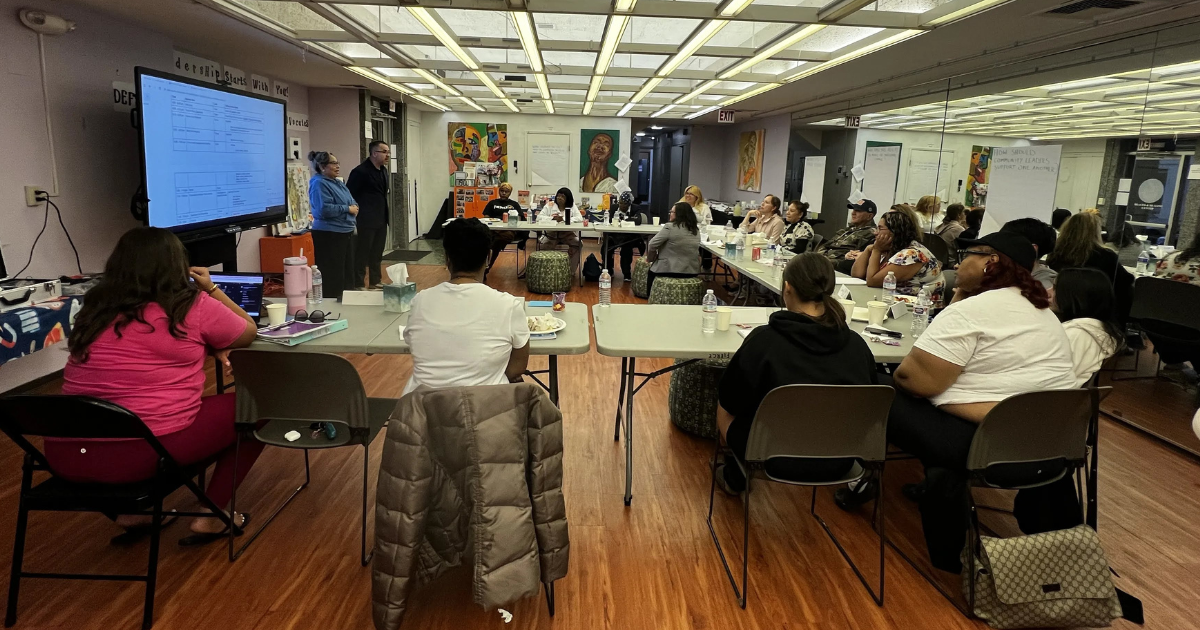
At every Voices for Parks Leadership Academy session, cohort members are invited to speak before the group.
They share neighborhood concerns, ask questions, practice communicating their ideas, and listen as other leaders describe their experiences. These conversations require vulnerability, and participants have worked together to create an environment where people feel comfortable learning and growing.
For Cairo, FIERCE’s Leadership and Coaching Coordinator, that openness reflects the early momentum within the academy:
“All participants are fully engaged with materials, asking questions, practicing their public speaking, while building relationships with fellow cohort members,” Cairo shared. “We are making FIERCE history.”
FIERCE’s First Intergenerational Parks Leadership Academy
Voices for Parks is FIERCE’s first intergenerational leadership academy focused on parks equity. Its inaugural cohort brings together community members with different experiences, cultures, neighborhoods, and leadership goals.
Parks equity considers whether every neighborhood has fair access to safe, welcoming, and well-supported public spaces, along with meaningful opportunities to influence the decisions affecting those spaces.
During the academy’s opening sessions, cohort members discussed inequities within local parks and how those conditions affect their neighborhoods. As participants shared their experiences, they began identifying ways their knowledge, relationships, and skills could strengthen collective advocacy.
“Each session, all of the participants are connecting with one another, allowing space for each other to share experiences,” Cairo said.
By building relationships across generations, cultures, and neighborhoods, cohort members are creating a foundation for advocacy rooted in trust and shared purpose.
Learning from Community Partners
Presentations from community partners have introduced participants to several pathways for creating change.
After hearing from YES Nature to Neighborhoods, some participants began recognizing their ability to connect with neighbors as a meaningful source of community power. The Richmond-based organization focuses on nurturing leaders who champion community well-being, offering a valuable perspective on the relationship between leadership, parks, and neighborhood connection.
Urban Habitat helped participants explore land preservation and the process of navigating public boards and commissions. These appointed bodies advise local governments and can influence decisions involving land use, public resources, and neighborhood priorities. Urban Habitat’s leadership work prepares people from communities of color to understand and participate in these decision-making spaces.
These presentations helped cohort members consider where their own experience and relationships could have the greatest impact.
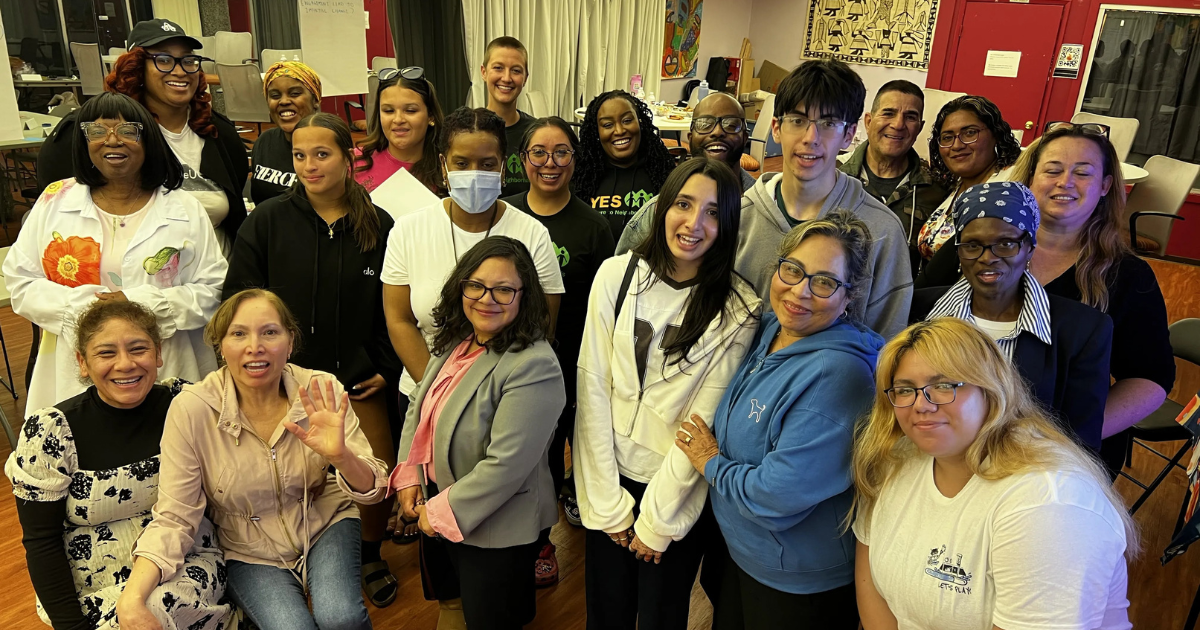
Finding an Individual Path to Leadership
The academy presents leadership as a spectrum with many possible entry points.
Some participants may choose to pursue service on a public board or commission. Others may organize around a neighborhood concern, support a grassroots campaign, connect residents with resources, or help a community communicate its priorities to local decision-makers.
“Each participant has identified an entry point for greater leadership efforts,” Cairo explained. “Once we presented the options and opportunities within leadership and advocacy, some of the leaders began to realize their potential and where they might be most effective.”
Through public speaking, group activities, partner presentations, and open dialogue, participants are strengthening abilities they already possess while building the confidence to use them in new ways.
As the academy continues, cohort members will begin turning these lessons into individual plans for deeper community engagement. Their plans may lead them into different spaces, but they are grounded in a shared commitment to more equitable neighborhoods and stronger community voice.
This first cohort is already demonstrating what can happen when leaders have room to connect, learn from one another, and recognize the power they carry.
